Women Who Make Festival at Masson Mills
DATE
TAGS
From a Textile Past to a Circular Future
On Saturday 10 October 2026, the Women Who Make Festival returns to Masson Mills in Matlock Bath for a day of creativity, conversation, making and connection, bringing together women artists, makers, manufacturers, writers and creative practitioners within one of Derbyshire’s most significant textile heritage sites.
Part of the wider Derbyshire Makes programme, this year’s festival takes inspiration from World Circular Textiles Day and its ambitious vision for a future in which textile products and raw materials are kept in continual circulation, and dignity, equity and equality sit at the heart of the textile eco-system.
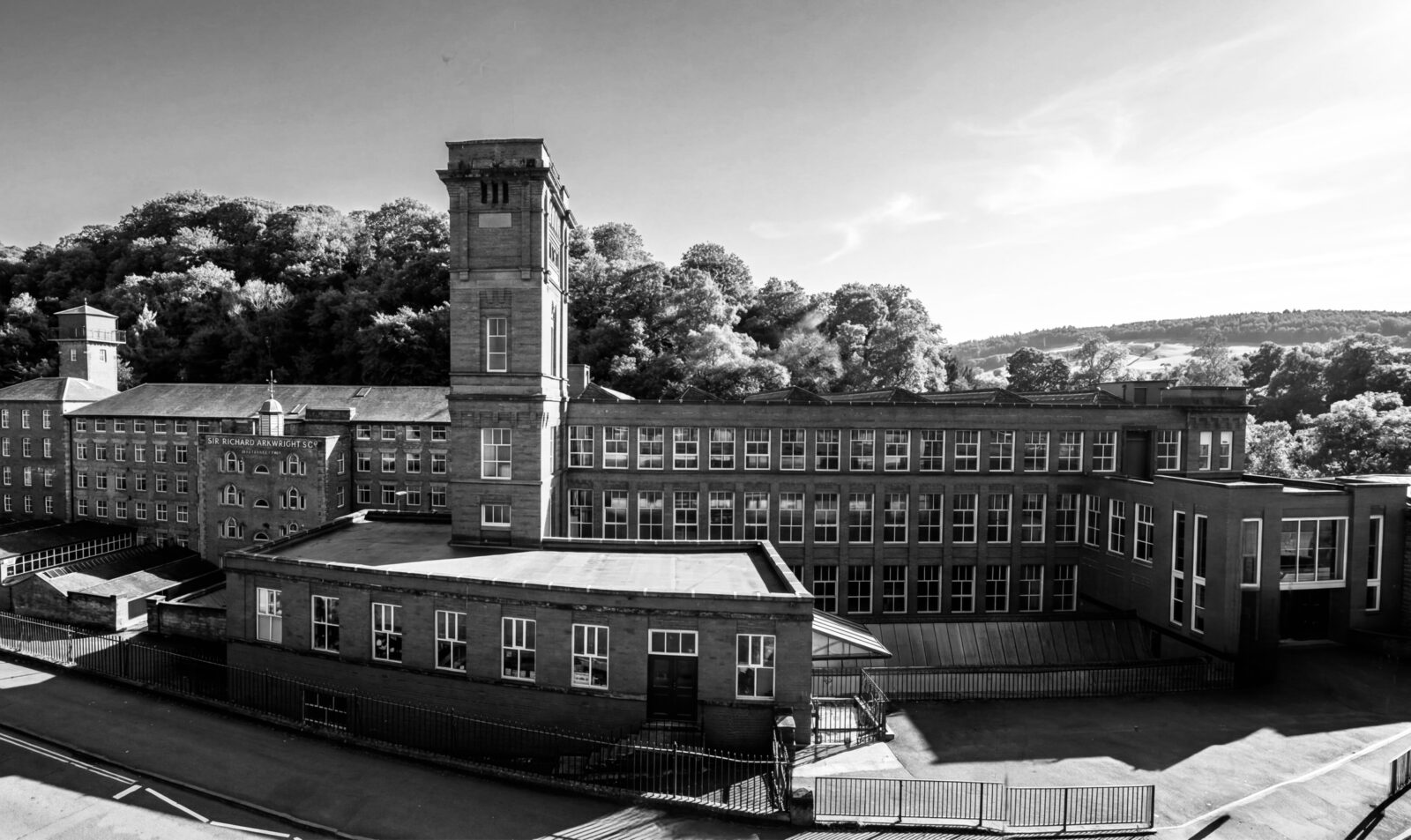
Built by Richard Arkwright in 1783, the mill stands as a reminder of an earlier innovative transformation in how textiles were produced. This October, Women Who Make will fill its historic spaces with new conversations about how we make, use, value, repair and reimagine, connecting textile heritage with contemporary creativity and ideas for a more circular future.
What If Textiles Never Became Waste?
Circularity asks us to look differently at the things around us.
Not simply at what happens when we have finished with something, but at where materials come from, how things are designed and made, how long we use them, who makes them and what we consider valuable.
These questions run throughout this year’s Women Who Make programme.
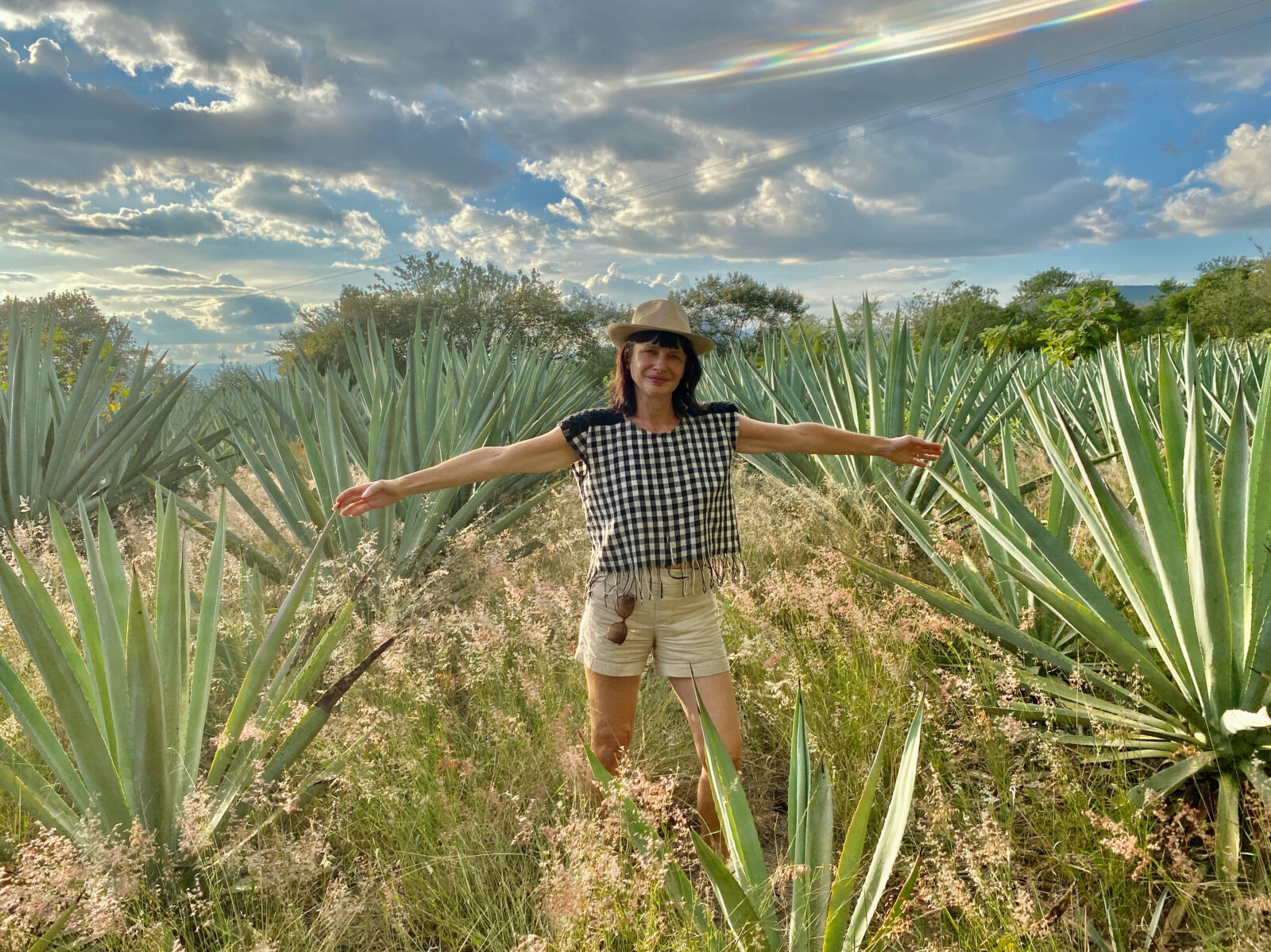
Author, activist and Fashion Revolution co-founder Carry Somers will open the festival with The Nature of Fashion, drawing connections between the clothes we wear and the natural world.
Through the hidden stories of fibres and dyes, Carry invites us to consider fashion as part of a much bigger ecological system and to think about what nature itself might teach us about creating differently.
But circularity is also an invitation to imagine.
In Portals to Other Worlds, artists Anisha Parmar, Khadijah Carberry and Sophie Gresswell explore identity, materials and the journeys that connect past, present and future. Through conversation and a collaborative workshop using jewellery, sustainable materials, mapping and words, they bring another perspective to the festival’s circular theme, looking not only at how materials can be reused and transformed, but at what we carry forward and the futures we might create.
Across the festival, those ideas become something to experience with our own hands: textiles are stitched, repaired and transformed; discarded materials find new purposes; historic skills meet contemporary practice; and collective making gives materials new stories and meaning.
Rather than presenting one answer to what a circular future should look like, Women Who Make creates space to question, experiment and imagine.
Who Makes the Things We Wear?
A circular future also asks us to think about the people, skills and labour behind the things we wear.
Behind every garment or textile is a network of people, processes, materials and decisions, much of which can remain invisible when we encounter only the finished product.
At Masson Mills, The Ethical Atelier, curated by Abigail Wastie, brings some of those stories into view.
Bringing together women making and manufacturing in the UK – from independent makers to field-to-factory businesses – the Atelier offers an opportunity to discover fashion, accessories and homeware, meet some of the women behind them and understand more about how and where things are made.
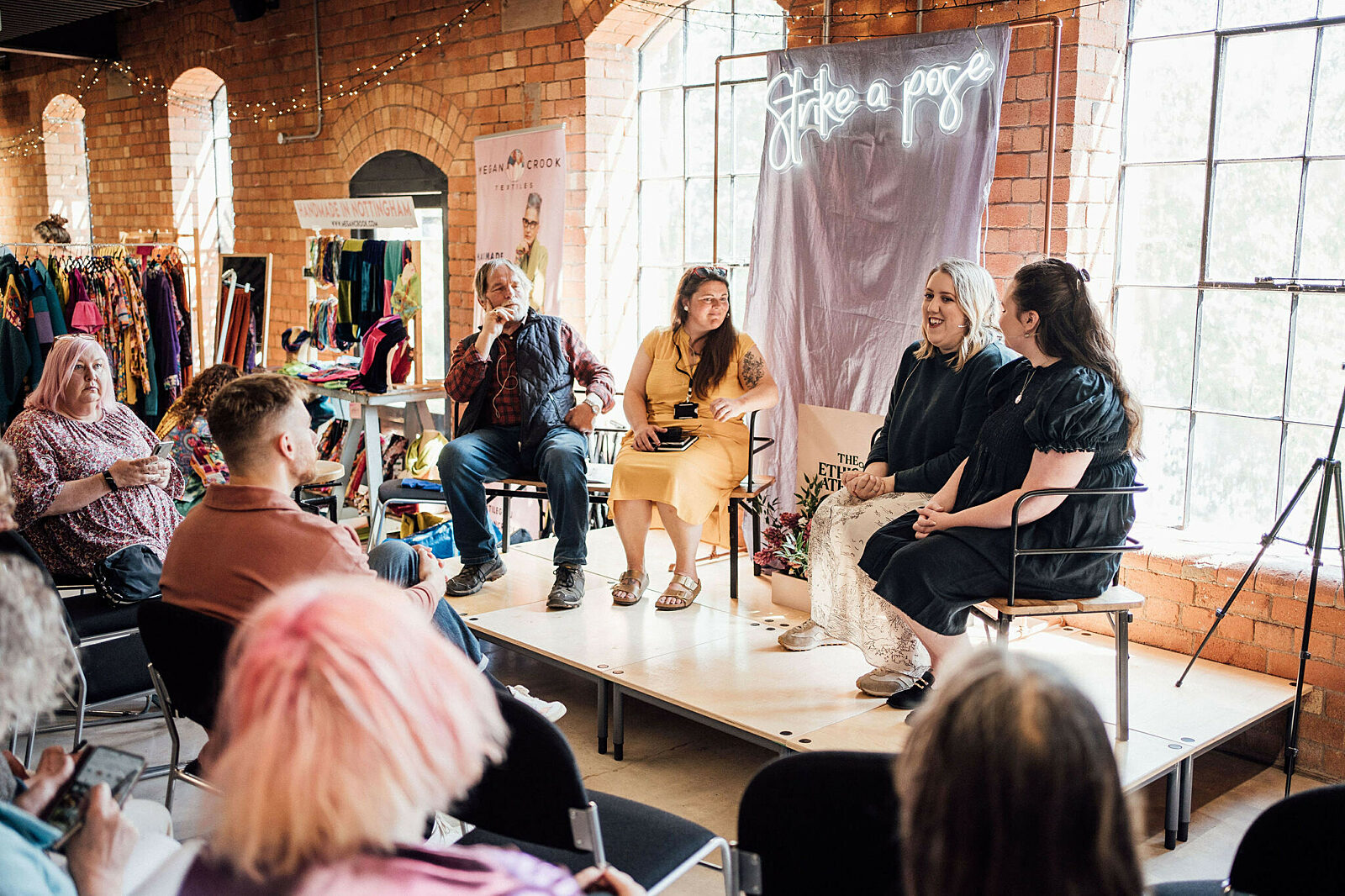
Alongside the Atelier, two conversations will look directly at the realities of the industry.
Does UK Fashion Manufacturing Have a Future? brings together women working across the sector to explore the challenges of making onshore, sustaining specialist skills and businesses, and what the future might hold for UK-made fashion.
Later, Does Sexism Still Exist Within UK Fashion Manufacturing? opens up a frank conversation about women’s experiences of the industry today, from leadership and workplace culture to what still needs to change.
Together, these conversations ask us to think not only about what we make, but about the systems and people that make it possible.
The Value of What We Already Have
Circularity asks us to keep materials in use for longer, and to reconsider the value of what we already have.
Throughout Women Who Make, repair and reuse become creative acts rather than compromises.
Visitors will explore visible mending, transform textile scraps into something new and contribute to the continuing Dare to Dream Sewing Bee, where reclaimed fabrics become part of a growing collective artwork filled with hopes and ideas for the future.
That relationship between textiles, people and memory can also be found in the artworks exhibited around the festival.
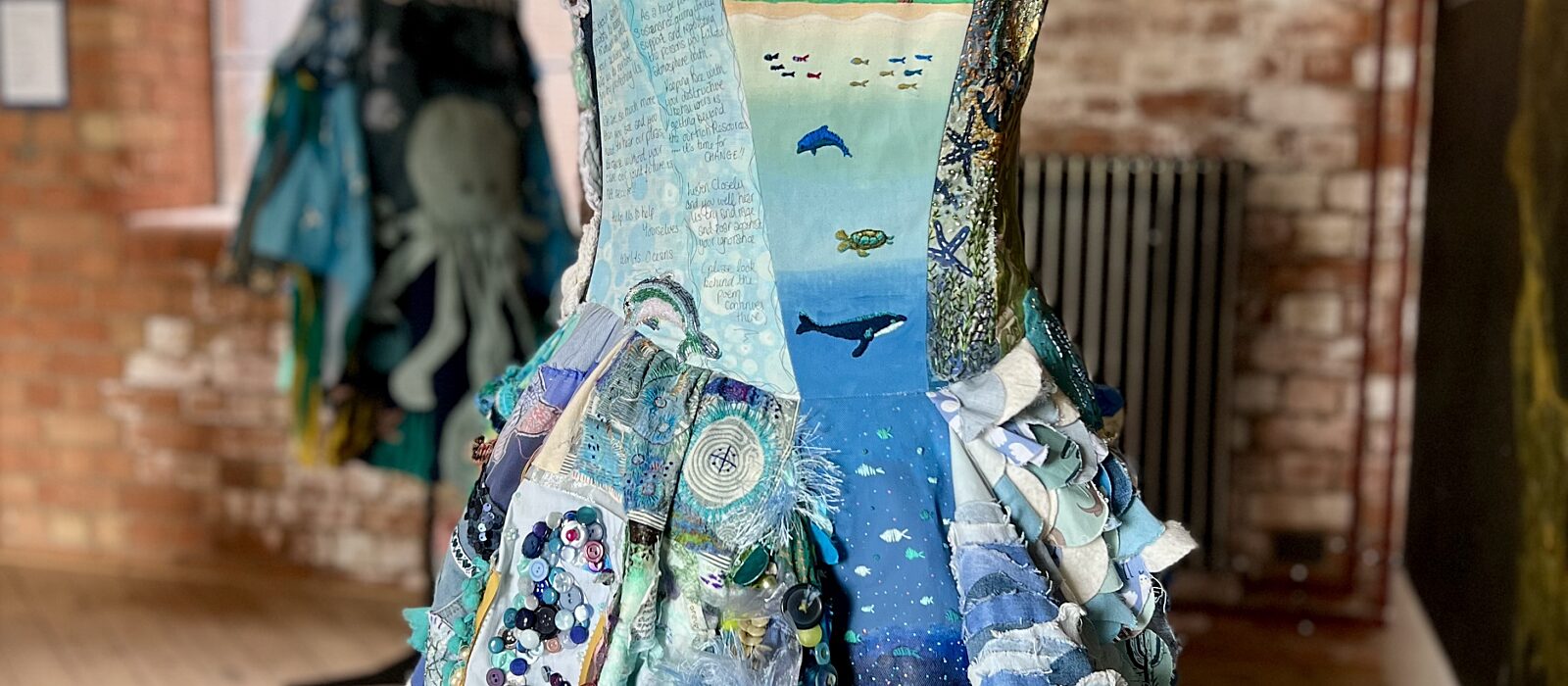
The Ripple Effect, created by Netty Lou of Story of Things with more than 100 community contributors, uses existing clothing to create a striking wearable installation inspired by our oceans, exploring fast fashion, throwaway culture and our relationship with the natural world.
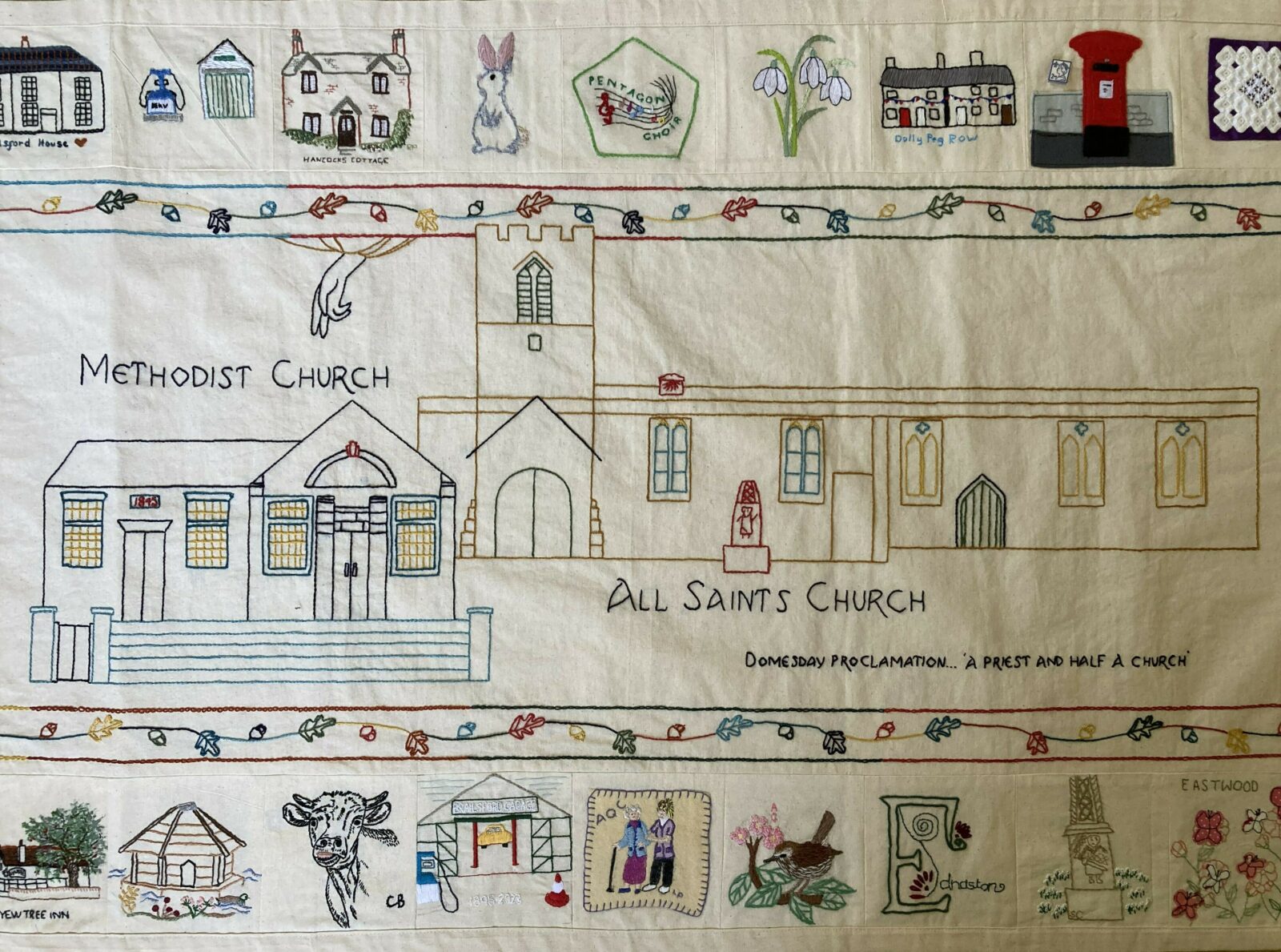
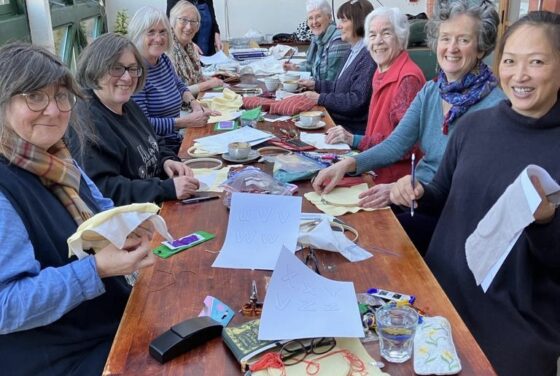
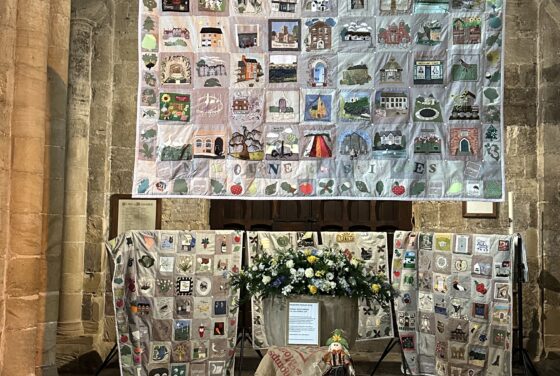
Creative Melbourne will bring the South Derbyshire in Stitches community quilts to Masson Mills – textile works created collectively to tell stories of people and place through stitch.
Alongside them, Laura Burill will exhibit The Brailsford Bayeux, an 11-metre-long community artwork, and The 80 Candles Quilt.
Together, these works remind us that cloth can hold far more than its material value. It can carry memory, identity, creativity, community and care, and extending the life of textiles can also mean adding new stories and meaning to them.
Old Skills, New Possibilities
Throughout its history, Masson Mills has been a place of textile innovation, machinery and skilled making.
During the festival, that history will become visible again.
Within The Weaving Shed, visitors can encounter historic textile machinery and see weaving in action with Amanda Nichol, while Ruth Faris and Bea Uprichard of Fishbone & Sycamore bring contemporary weaving practice into the mill.
The skills and technologies used to make textiles have continually evolved, but questions around materials, labour, craftsmanship, innovation and value remain.
And the conversation does not stop at textiles.
Through Home by Milestone, housed within the historic mill, the festival extends its exploration of circularity into the spaces in which we live, connecting sustainable materials, low-energy approaches and new technologies with a building shaped by an earlier era of industrial innovation.
Outside the mill, creative walks invite visitors to slow down and notice cycles of growth, change and renewal within the surrounding landscape.
Together, they broaden the festival’s central question:
What might making differently look like – not only in what we wear, but in how we live?
Women, Making and Change
Women Who Make puts women at the centre, celebrating not only what they create, but the ideas, skills, labour and experiences behind their work
The Women Who Make Artist Showcase brings together women artists and makers, creating opportunities to meet the people behind the work, discover the stories and processes that shape it and perhaps find something special to take home.
Across the wider festival, women will be making, demonstrating, speaking, questioning and sharing skills, while workshops and collective making invite visitors to join in themselves.
Continuing the Circular Textiles Conversation
We hope Women Who Make sparks curiosity beyond the festival itself, perhaps encouraging you to try something new, look differently at what you already own, discover the people and skills behind the things you buy, or simply continue some of the conversations started at Masson Mills.
World Circular Textiles Day imagines a future of full textile circularity by 2050. Visit the World Circular Textiles Day website for more ideas, inspiration and ways to explore what a circular textiles future could look like.
And if you would like to continue exploring closer to home, Field to Fashion at Derby Museums’ Museum of Making follows the journey of wool from fleece to fashion, exploring the skills, stories and processes behind the clothes we wear.
A huge thank you to Masson Mills Museum and Home by Milestone for their support in making Women Who Make possible and helping us bring this conversation to life in Derbyshire.
We hope you’ll join us on 10 October – and see where the day takes you.
MORE NEWS
South Derbyshire in Stitches - A Derbyshire Makes Project
Inspire Derbyshire’s next generation