MAKE Room: Making Space for Nature, Community and Imagination
DATE
As we share the fourth and final MAKE Room periodical, we’re taking a moment to pause and reflect on an extraordinary year of learning, collaboration and making. This blog marks the close of MAKE Room’s first chapter within Derbyshire Makes, and a key legacy of a programme that continues to shape how we work, think and imagine together.
What is MAKE Room?
MAKE Room is a roaming, artist-led engagement arts programme that invites people to slow down, notice, and reconnect with the landscapes they live in – not as backdrops, but as active collaborators. Developed by Local Creative Project Ltd and co-designed and delivered with Glassball Studio, MAKE Room was imagined as both a physical and conceptual space: a way of creating room for curiosity, creativity and climate-focused thinking through shared making.
Rather than touring a fixed artwork, MAKE Room was designed as a process-led programme. Ideas travelled, not materials. Each iteration responded to its local context, shaped by the people, places and conditions it encountered. Through walks, workshops, artist residencies, temporary structures and public gatherings, communities explored questions such as: What does nature mean to us here? How do we relate to the land beneath our feet? And how might creativity help us imagine more regenerative futures?
What We Did
"MAKE Room gave us permission to work slowly, to listen properly, and to let ideas grow from the ground up. Each place shaped the work in its own way – the conversations, the weather, the materials, the people. It reminded us that meaningful engagement isn’t about arriving with answers, but about making space for questions.” Glassball Studio
During its first year as part of the Derbyshire Makes programme, MAKE Room functioned as an action research phase - testing an approach to place-based, environmentally conscious cultural practice.
The project grew from early research with students from the University of Sheffield’s School of Architecture (originally titled Green Room), who explored what a low-impact, mobile engagement space for environmental conversations could look like. This R&D phase shaped MAKE Room not as a single structure, but as a flexible methodology that was taken to the festivals before establishing a summer programme.
“I stumbled across MAKE Room during the festival and ended up staying far longer than I expected. It was calm, thoughtful and surprisingly joyful – a pause in the middle of everything else.” Festival audience member
Glassball Studio were then commissioned as lead artists to bring this approach into practice. Working closely with local partners, they led residencies and activities in:
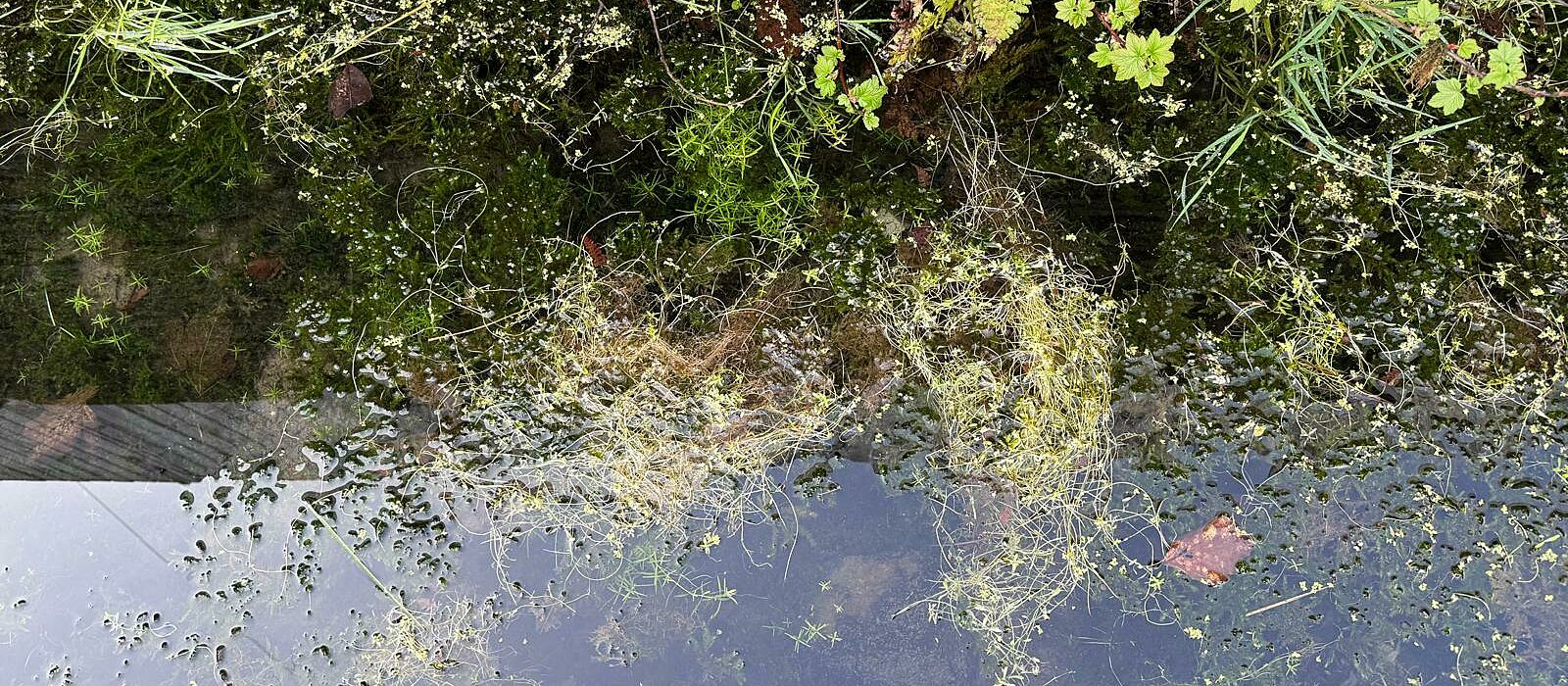
• Glossop (High Peak) – with The Bureau, Friends of Whitfield Rec and Wilder Whitfield, exploring water, landscape care and local ecological knowledge.
• Heanor (Amber Valley) – with Make/Shift and Craft Wood, a woodland-based organisation supporting adults with a range of support needs, focusing on making, material exploration and sites of resilience.
“MAKE Room didn’t arrive with a fixed plan – it listened first. That made all the difference. The project complemented what was already happening here and gave people new ways to come together around shared care for the place.” Local partner organisation
Across these places, MAKE Room activity included:
• Guided walks and listening exercises
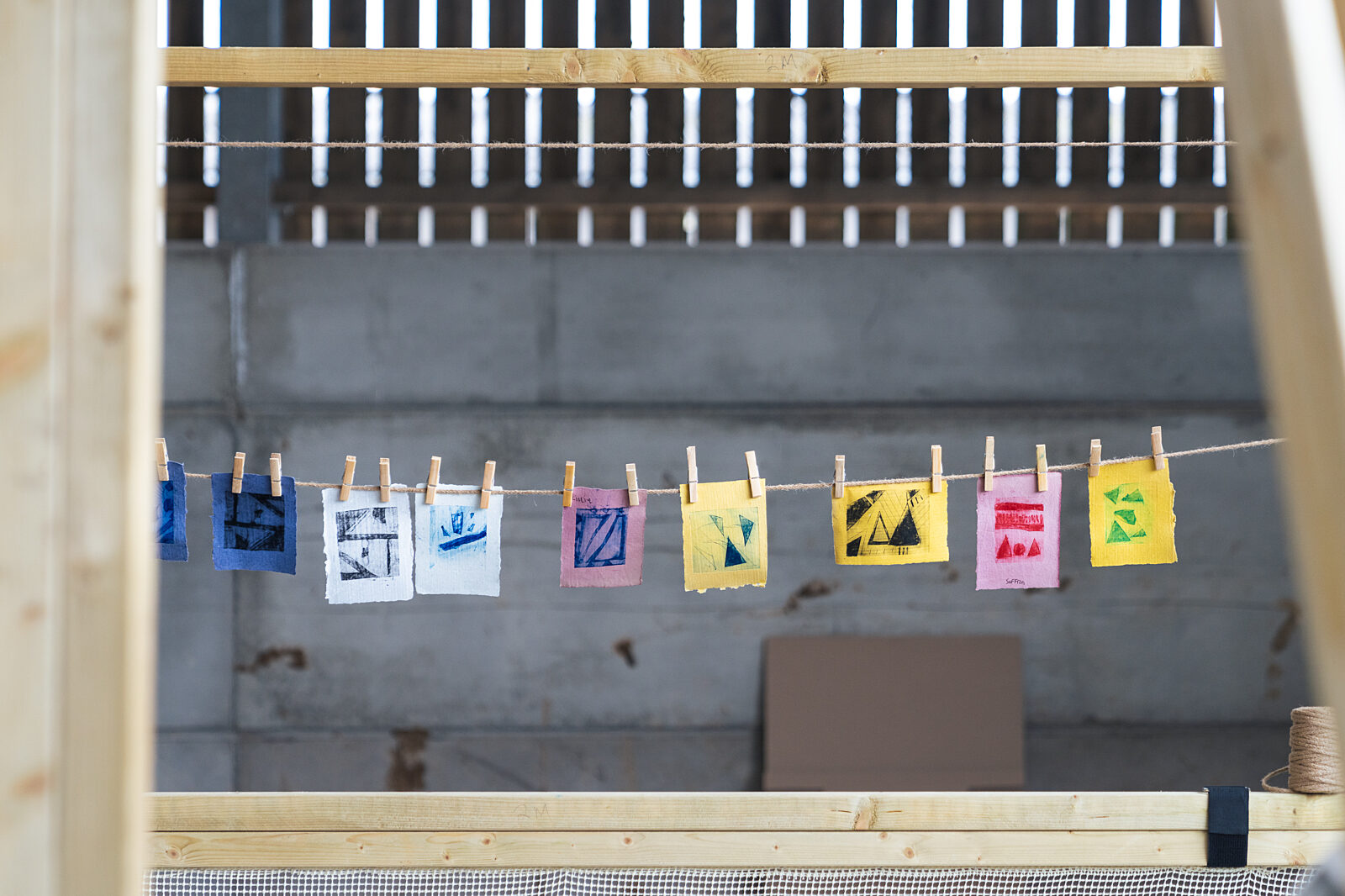
• Open, hands-on workshops using drawing, writing, mark-making and construction
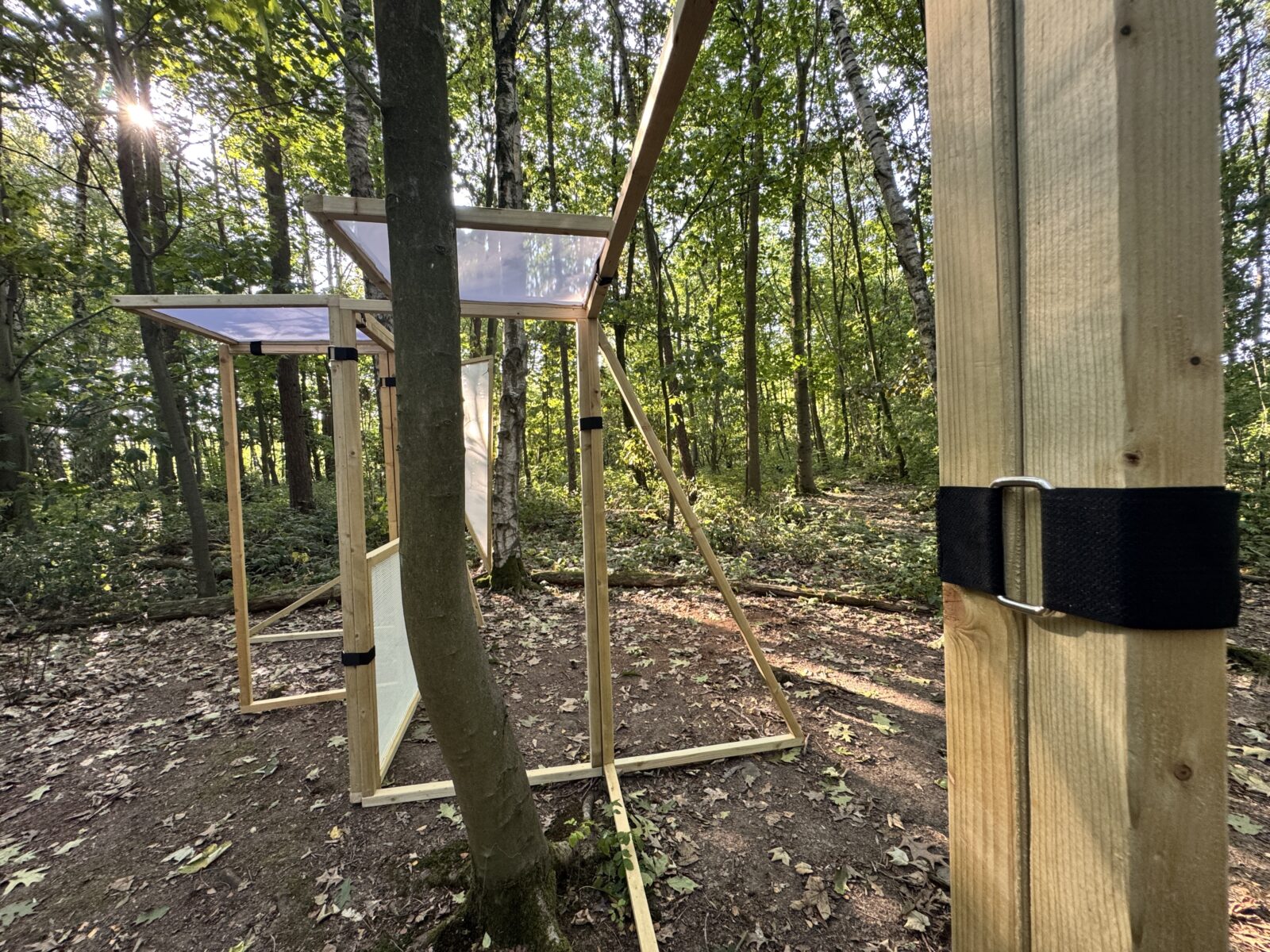
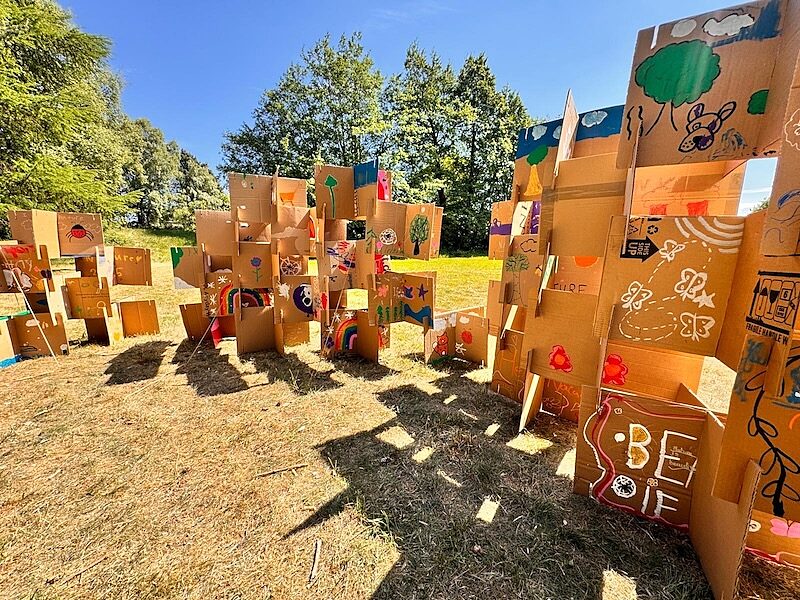
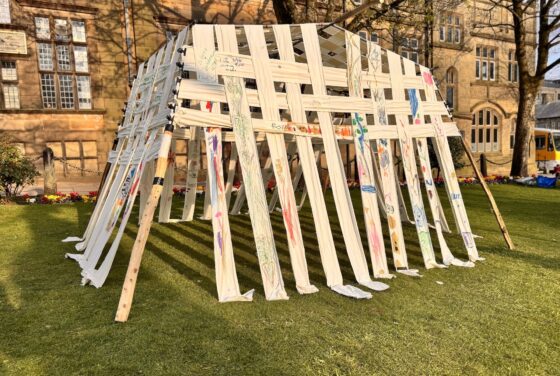
• Co-design and testing of temporary, low-impact structures
• Public moments during the Derbyshire Makes festival period
• Longer artist residencies embedded within community settings
• The creation of a mobile MAKE Room library and a series of printed and digital periodicals documenting the process
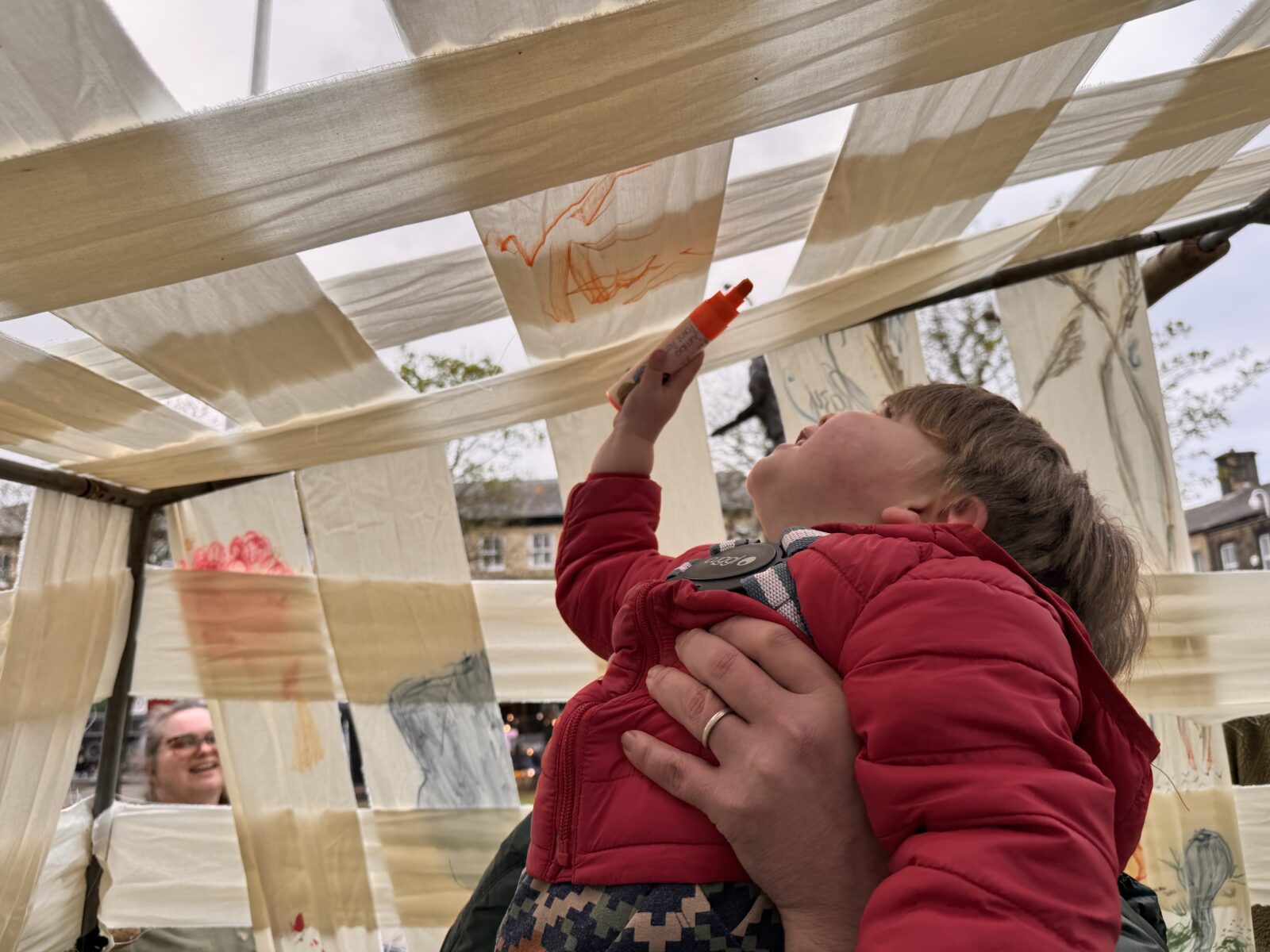
Participation was deliberately open, playful and accessible. People could join for a few minutes or return repeatedly, gradually becoming co-authors of the work. Making happened with communities, not for them.
What Was Achieved
Over the year, MAKE Room generated rich artistic, social and learning outcomes.
Deepened nature connectedness
Participants consistently described seeing familiar places differently. Woodlands became studios and classrooms; wells, paths and clearings became sites of reflection. Sensory engagement, touching materials, responding to weather, listening and moving through space, supported more embodied and personal connections to nature.
“I didn’t think of myself as creative at all. But the way MAKE Room worked meant there was no pressure. You could just join in, try things, talk, make marks. It felt welcoming.” Workshop participant
Strong local partnerships
The project was rooted in collaboration with community organisations, environmental groups, schools, volunteers and cultural partners. These relationships ensured each MAKE Room responded to local priorities while strengthening existing networks.
Inclusive and intergenerational engagement
Activities supported participation across ages, abilities and levels of confidence. No prior artistic experience was needed, and for many people this was their first time taking part in creative activity in public space.
Artist-led research and learning
MAKE Room generated substantial learning about process-based, socially engaged and environmentally responsible practice. Ongoing reflection, documentation and evaluation helped embed ideas of sustainability, regeneration and care into cultural programming.
Tangible outputs
Alongside less tangible outcomes of connection and learning, MAKE Room produced:
• A series of co-created temporary structures
• Four MAKE Room periodicals sharing process, research and artworks
• A mobile reading collection
• New creative writing, drawings and visual works by participants
• A detailed artist-led evaluation capturing learning, challenges and future considerations
Reach and Participation
Across its year within Derbyshire Makes, MAKE Room balanced depth of engagement with a strong public presence.
33.5 days of public-facing activity across Derbyshire
15 distinct events, residencies and sharings
58 sessions including walks, workshops, making and co-design
265 active participants (children, young people and adults)
Over 680 people experiencing the work in person
More than 1,200 people engaging online
14 creative or cultural businesses supported
12 partner organisations working directly with the project
30 volunteers contributing over 250 hours
These figures reflect meaningful engagement – people staying, returning, contributing ideas, marks, writing and making that became part of the work itself.
Learning and Reflection
As a research-led programme, MAKE Room surfaced important learning for future cultural commissioning. It highlighted the value, and challenges, of process-based work where outcomes are emergent rather than fixed. It reinforced the importance of clarity, trust, care-led approaches and shared understanding when artists and communities are invited into long-term, exploratory processes.
How MAKE Room Moves Forward
As Derbyshire Makes enters its next phase, MAKE Room has completed its year-one chapter within the programme, but its journey continues.
Local Creative Project Ltd, as producers, will continue to support the life of MAKE Room beyond Derbyshire Makes. Glassball Studio will take forward the MAKE Room methodology, learning and creative approach through future artist-led projects, residencies and collaborations.
The ideas, tools and questions developed through MAKE Room – about how we make space for nature, for one another, and for multiple futures – remain live, adaptable and shared. The periodicals, resources and documentation will continue to circulate, and the relationships formed through the project provide a strong foundation for future work rooted in place, care and collaboration.
“MAKE Room has reminded us that cultural programmes can be gentle, rigorous and generous all at once. This isn’t an ending – it’s a set of tools, relationships and questions we’ll carry forward.” Claire Tymon, Creative Director & Producer
MAKE Room began as an invitation: to slow down, to notice, and to imagine differently. While this chapter has now closed, its ideas continue to travel.
MAKE Room.
For collaboration.
For imagination.
For nature.
MORE NEWS
Derbyshire Makes celebrates a landmark second year
Women Who Make Festival at Masson Mills